

5 Simple, Cost-Effective Non-Toxic Swaps We’ve Made at Home
- Reagan O'Connor

- Jan 11
- 3 min read
Updated: Jan 11
A couple of years ago, we started slowly shifting our home to be more “clean” and less toxic. I won’t pretend we’re perfect - we’re definitely not 100% there - but we’ve been making small, intentional changes over time to better the health of our family. I’d call us “moderately granola.”
That’s the key for me: progress, not perfection.
Here are five easy, cost-effective swaps we’ve made that feel realistic, affordable, and impactful.
This post contains affiliate links. As an Amazon Associate, I earn from qualifying purchases at no extra cost to you.
1. Toilet Paper (Yes, Really)
This one surprised me too.
A lot of name-brand toilet paper contains PFAS, which are often referred to as “forever chemicals.” Once they enter your body, they don’t really leave - and they’ve been linked to certain cancers, including colon cancer.
Once I learned that, I couldn’t unlearn it.
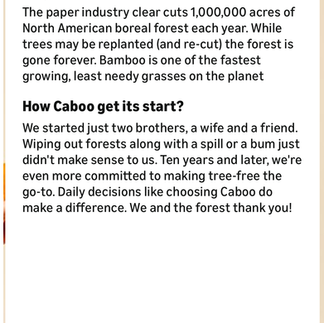
What We Use Now: Caboo Bamboo Toilet Paper
This is our new go-to, and we use the subscribe & save option on Amazon.
Why I like it:
PFAS-free
Septic safe
Cost-effective
Soft (important)
Environmentally friendly
It’s made from bamboo, which regrows in 1–2 years, breaks down faster than traditional toilet paper, and is easier on plumbing and septic systems.
👉 Caboo Toilet Paper




2. Wheat Straw + Stainless Steel Cutting Board
When you think about it, cutting boards matter more than we realize.
Plastic cutting boards can shed microplastics into food
Wooden boards can absorb bacteria, especially from raw meat
We switched to non-toxic cutting boards, and this one has been our favorite.
Guanci Wheat Straw Cutting Board
One side is wheat straw (non-toxic, no microplastics), and the other side is stainless steel, which I use specifically for meat.
Why I love it:
Non-toxic materials
Eliminates microplastic concerns
Stainless steel side is hygienic for meat
Made with ~50% recycled materials
Manufactured with worker safety and environmental responsibility in mind

👉 Guanci Cutting Board
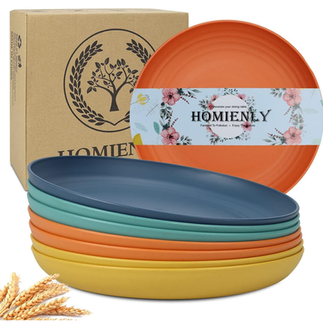
3. Wheat Straw Plates & Bowls
In the same vein as switching cutting boards, we also swapped out a lot of our plastic plates and bowls — especially for the kids.
These wheat straw dishes have been such a win.
Why they work for our family:
Non-toxic
Microwave safe
Dishwasher safe
Durable
Safe for kids and adults
What We Use
👉 Homienly Plates
👉 Homienly Bowls
They’ve held up really well, even with daily use.



4. Dish Detergent
About a year ago, we switched our dish detergent and haven’t looked back.
Once we started replacing food prep items with cleaner options, I realized it didn’t make much sense to then wash them with harsh, toxic detergents.
What We Use: Blueland Dish Detergent
It cleans well and gives me peace of mind using it on our everyday dishes.
According to Blueland, their formula is:
Microplastic-free
Septic safe
Plant- and mineral-based
EPA Safer Choice certified
Leaping Bunny cruelty-free
Vegan
B Corp certified
Climate Neutral
USDA BioPreferred
👉 Blueland Dish Detergent
5. Laundry Detergent
This was one of the first swaps I really wanted to make once I learned how many harsh chemicals are in traditional laundry detergent - chemicals that then sit on your clothes and absorb into your skin.
My Favorite Option (Local + Homemade)
My neighbor and amazing friend Katie makes the best laundry detergent and stain sticks I’ve ever used.
Her detergent includes ingredients like:
Coconut oil soap (stain sticks)
Washing soda (cuts grease, cleans washer)
Baking soda (odor control)
Borax (softens water, removes stains)
Oxiclean Free & Clear (for stain removal)
It works incredibly well — say goodbye to stained clothes.


Amazon Alternative
If you’re looking for something easy to order online, I’d default back to Blueland Laundry Detergent.
👉 Check prices here
Final Thoughts
Switching to a less-toxic home doesn’t have to be overwhelming or expensive. We’ve found that small, manageable swaps over time add up - especially when you’re raising kids.
If you’re just starting out, pick one change and go from there.
Have you made any non-toxic swaps in your home that you love? Or are there products you’re curious about switching?
Drop a comment - I’d love to hear what’s worked for your family 🤍


Comments